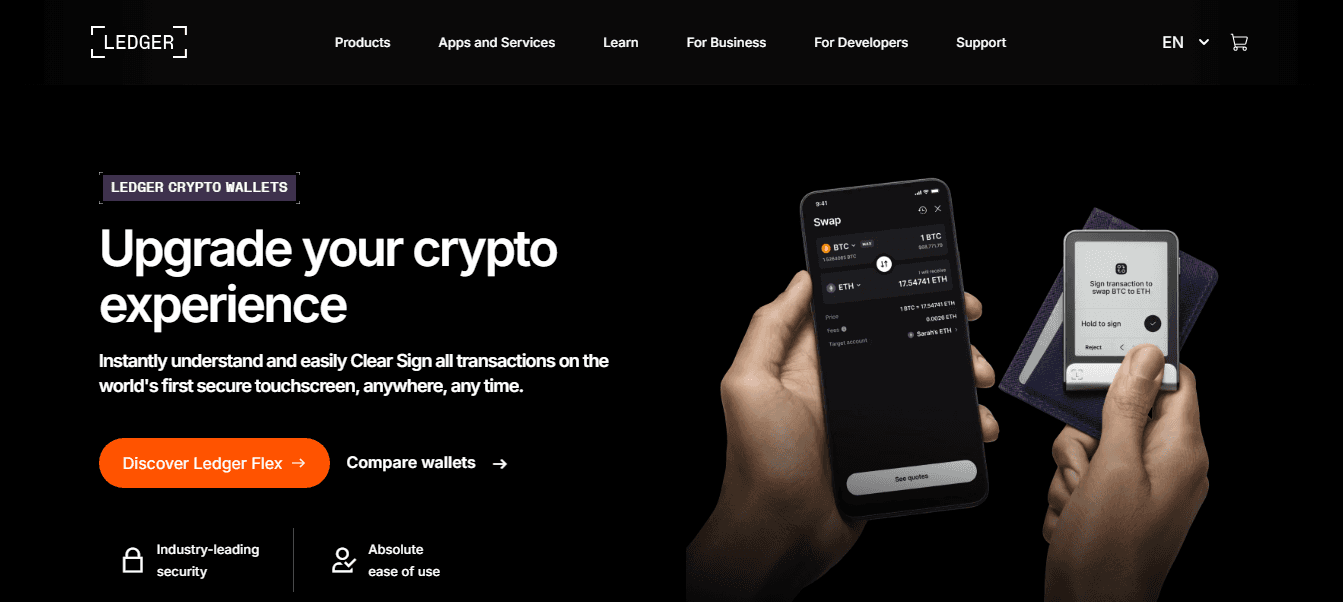
Ledger Login: Step-by-Step Guide to Secure Cryptocurrency Access
Ledger hardware wallets provide a secure and reliable way to store cryptocurrency, and accessing these wallets begins with the Ledger login process. Ledger Login is the first and most critical step in ensuring that your assets remain protected from unauthorized access while giving you full control over your cryptocurrency accounts.
This comprehensive guide explores Ledger login in detail, including setup, secure access, account management, transaction handling, security features, troubleshooting, and best practices for maintaining the highest level of safety for your digital assets.
Understanding Ledger Login
Ledger Login refers to the process of accessing your Ledger hardware wallet using the official Ledger interface or Ledger Live application. Unlike traditional software wallets, Ledger hardware wallets require physical device authentication, ensuring that private keys remain offline and safe from digital threats.
When logging in, users interact with both the Ledger device and the Ledger Live interface. The hardware wallet stores all private keys securely, while Ledger Live provides a convenient and secure platform for managing accounts, monitoring balances, sending and receiving funds, and tracking transactions.
Importance of a Secure Ledger Login
The login process is critical to maintaining the security of your cryptocurrency assets. Ledger Login ensures:
Protection of Private Keys: Keys remain offline on the hardware wallet.
Prevention of Unauthorized Access: Device PIN and recovery seed safeguard against theft.
Safe Account Management: Provides a secure platform to view balances and transactions.
Transaction Verification: All transactions must be confirmed physically on the device.
Proper login practices reduce the risk of hacking, phishing, and malware attacks, making Ledger Login the foundation of cryptocurrency security.
Preparing for Ledger Login
Before attempting to log in, ensure you have the following:
Ledger Hardware Wallet: A genuine Ledger device such as Ledger Nano S or Nano X.
Ledger Live Application: Installed on your desktop or mobile device.
PIN Code: Set during device initialization.
Recovery Seed: A 24-word phrase used to recover your wallet if the device is lost or damaged.
Having these essentials ready ensures a smooth and secure login experience.
Step-by-Step Ledger Login Process
Logging into Ledger hardware wallets involves both the device and Ledger Live:
Connect Your Ledger Device: Use USB or supported wireless connections for Ledger Nano X.
Open Ledger Live: Launch the application on your desktop or mobile device.
Enter PIN Code: Unlock the hardware wallet by entering your secure PIN.
Authenticate the Device: Confirm that the connected Ledger device is genuine and untampered.
Access Accounts: Once authenticated, Ledger Live displays all linked accounts and balances.
This process ensures that your login is both secure and user-friendly, with the hardware device acting as the key to accessing your cryptocurrency.
Navigating Accounts After Login
Once logged in, Ledger Live provides a secure interface to manage cryptocurrency accounts:
Dashboard: Overview of balances, portfolio distribution, and recent activity.
Accounts Section: Displays all linked accounts with transaction history and balances.
Send/Receive Options: Securely send cryptocurrency or generate receiving addresses.
Portfolio Monitoring: Track overall asset distribution and performance.
Ledger Login not only provides access but also a centralized platform to manage all digital assets securely.
Sending and Receiving Cryptocurrency
After login, users can perform transactions with confidence:
Receiving Funds: Generate a public address using Ledger Live and verify it on your device before sharing. This ensures the address is correct and untampered.
Sending Funds: Enter the recipient address and amount in Ledger Live. Confirm the transaction on the Ledger device for physical verification.
Ledger Login guarantees that every transaction is authorized and secure, leveraging both software and hardware protection.
Security Features During Ledger Login
Ledger Login incorporates multiple layers of security:
Device Verification: Confirms that the hardware wallet is genuine before access.
PIN Protection: Prevents unauthorized access if the device is physically obtained.
Two-Step Verification: Physical confirmation on the device is required for all transactions.
Recovery Seed: Essential for restoring access in case of device loss or damage.
Offline Key Storage: Ensures private keys never leave the hardware wallet.
These features make Ledger Login a critical point in protecting cryptocurrency from cyber threats.
Backup and Recovery
A secure login is not complete without backup procedures:
Recovery Seed Storage: Keep your 24-word phrase offline in a secure place.
No Digital Copies: Avoid storing the recovery seed digitally or online.
Device Replacement: Use the recovery seed to restore access on a new device if necessary.
Proper backup ensures that login credentials and access to cryptocurrency are never lost, even if the device is damaged or stolen.
Firmware and Ledger Live Updates
Keeping your device and software updated is vital:
Firmware Updates: Provide protection against vulnerabilities and improve functionality.
Ledger Live Updates: Enhance security, user experience, and add new cryptocurrency support.
Update Verification: Updates require confirmation on the device to ensure authenticity.
Regular updates help maintain a secure login environment and protect your assets from potential threats.
Troubleshooting Login Issues
Even with proper setup, users may encounter login problems:
Device Not Recognized: Check the connection, restart Ledger Live, or reconnect the hardware wallet.
PIN Errors: Ensure correct entry; repeated failures may require recovery using the seed.
Software Glitches: Restart the application or computer to resolve minor issues.
Understanding common login problems ensures uninterrupted access to cryptocurrency accounts.
Best Practices for Ledger Login
To maintain a secure login environment:
Always verify device authenticity before entering the PIN.
Never share your PIN or recovery seed.
Perform transactions in private and trusted networks.
Update Ledger Live and device firmware regularly.
Store your hardware wallet securely when not in use.
Following these best practices enhances security and prevents unauthorized access.
Advantages of Ledger Login
Ledger Login offers numerous benefits:
High-Level Security: Combines hardware and software verification.
Offline Key Protection: Private keys never leave the device.
Centralized Account Access: Manage multiple accounts through Ledger Live.
Transaction Safety: Requires physical verification for all transfers.
User Control: Gives users full access and oversight of cryptocurrency assets.
These advantages make Ledger Login the cornerstone of secure cryptocurrency management.
Conclusion
Ledger Login is more than a simple authentication step; it is the gateway to managing cryptocurrency securely. It ensures private keys remain protected, enables secure account access, and provides a safe environment for transactions.
By following proper setup procedures, keeping your recovery seed safe, verifying device authenticity, and adhering to best practices, users can ensure the long-term security of their digital assets. Ledger Login is essential for anyone seeking a safe, reliable, and efficient way to access and manage cryptocurrency with Ledger hardware wallets.